We Create Pages That Rank With Our On-Page SEO Service

If your website is not bringing in consistent enquiries, your on-page SEO is usually the bottleneck. We optimise your pages so Google & Bing understand exactly what you do, where you do it, and why you are the best choice. We are also making the page clearer and more persuasive for customers.

Best for: local trades, service businesses, and SMEs that want more calls and quote requests.

Let’s improve the pages that bring you enquiries.

Tell us what you do, which services you want to rank for, and the areas you cover. We’ll review your key pages and come back with clear, prioritised on-page SEO improvements. 

What Is On-Page SEO

On-page SEO is the process of optimising individual webpages so search engines like Google and Bing can clearly understand what the page is about, when it should appear in search results, and why it deserves to rank above competitors. It covers everything that lives on the page itself, such as your page content, headings, layout, internal links, images, and the behind-the-scenes elements that influence how your listing appears in search.

The best time to do on-page SEO is while you’re creating the page, not after. When a page is built with the right structure from day one, Google can crawl and index it correctly the first time. If you optimise later, search engines typically need to re-crawl and re-evaluate the page, which can slow down results and create missed opportunities.

At its core, on-page SEO is about aligning a page to search intent. That means matching what people are actually looking for (for example, “emergency electrician in Sheffield” vs “electrician services”), and presenting the information in a way that’s easy to scan and easy to trust.

Strong on-page SEO also improves conversions by making your service, pricing approach, areas covered, etc., clear so visitors are more likely to call, enquire, or book.

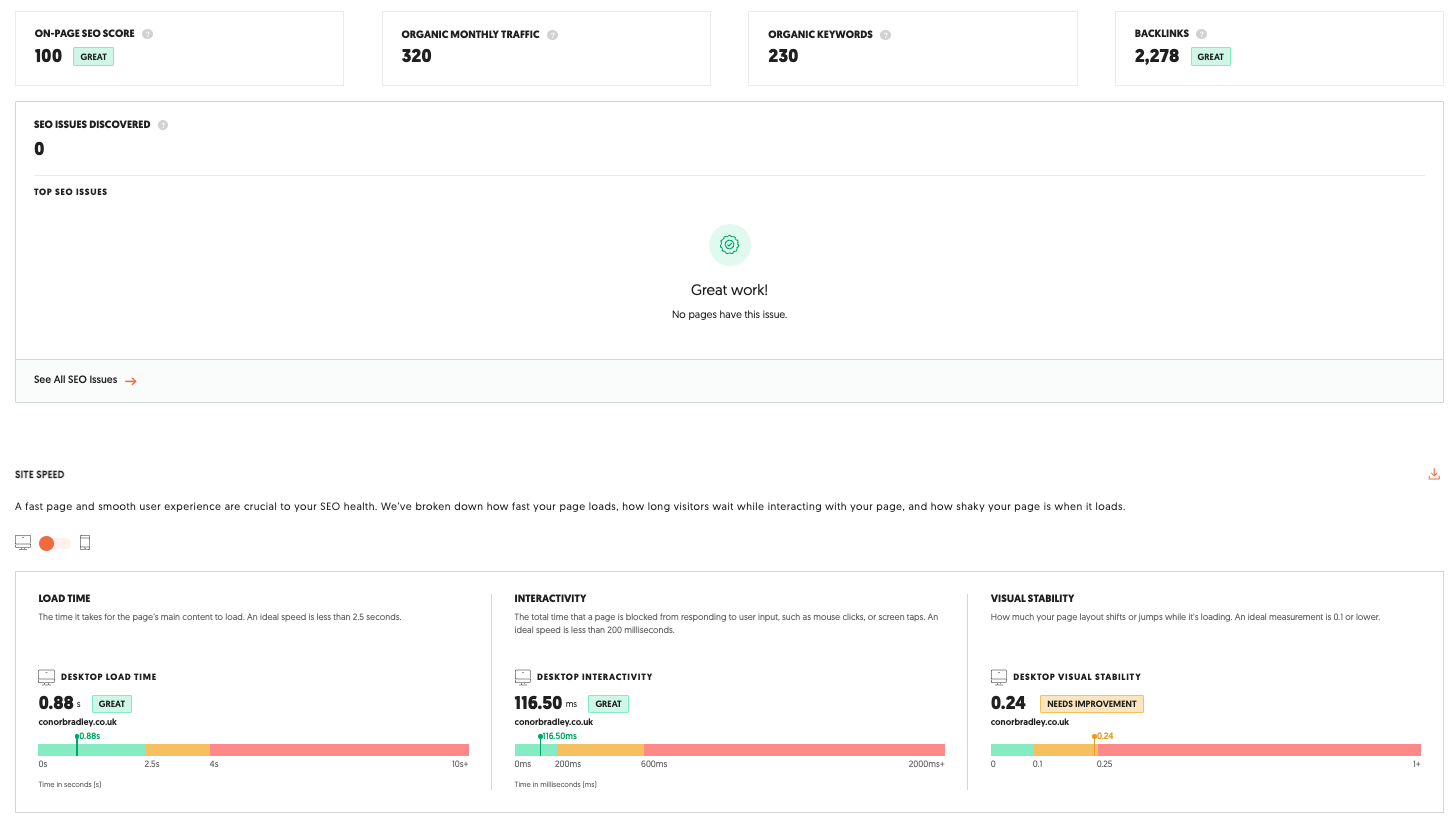
On Page SEO Audit Of Homepage

Key on-page SEO elements typically include:

Key on-page SEO elements typically include the core components that tell Google and Bing what your page is about, how it should be categorised, and why it should rank. When these elements are structured correctly, they enhance relevance, support stronger click-through rates, and make the page more trustworthy and easier for customers to take action on.

Your page title (also called the title tag) is the clickable headline that appears in Google/Bing search results and in the browser tab. It tells search engines what the page is about and helps them decide which queries your page is relevant for.

A well-written title also sets expectations for the user before they click, which can improve click-through rate (CTR) and reduce “wrong click” bounces.

From an on-page SEO perspective, the title tag is one of the strongest topic signals you control. It should include the primary keyword, reflect the page intent, and include a compelling reason to click. For example: “On-Page SEO Services in Sheffield”.

As a rule of thumb, keep titles concise and readable (often around 50–60 characters, though it varies by device), avoid repeating keywords unnaturally, and ensure every page has a unique title.
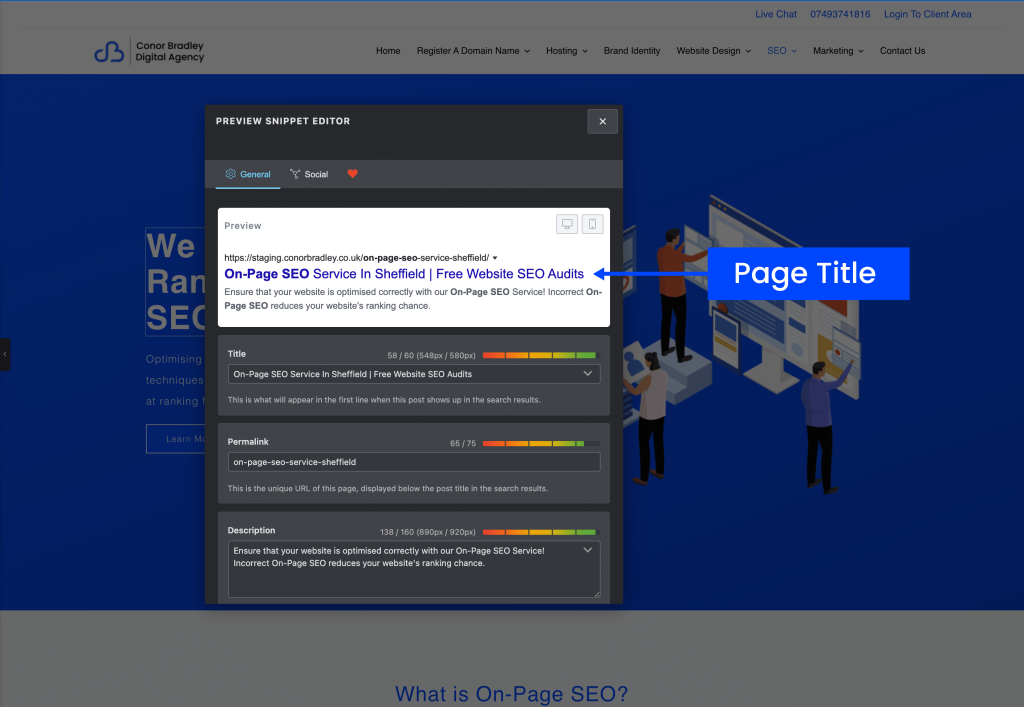
Page Title Diagram Conor Bradley Digital Agency

The page description (meta description) is the short summary often shown under your title in search results. While it’s not typically a direct ranking factor, it strongly influences whether people choose your listing over a competitor’s. Think of it as your “organic ad copy” for that page.

A strong meta description supports on-page SEO by improving CTR and aligning expectations with the content on the page. Include the main service/keyword naturally, reinforce the outcome, and add a clear hook.

Aim for a clean, benefit-led summary (around 150–160 characters, but not a strict rule), and make each page’s description unique.
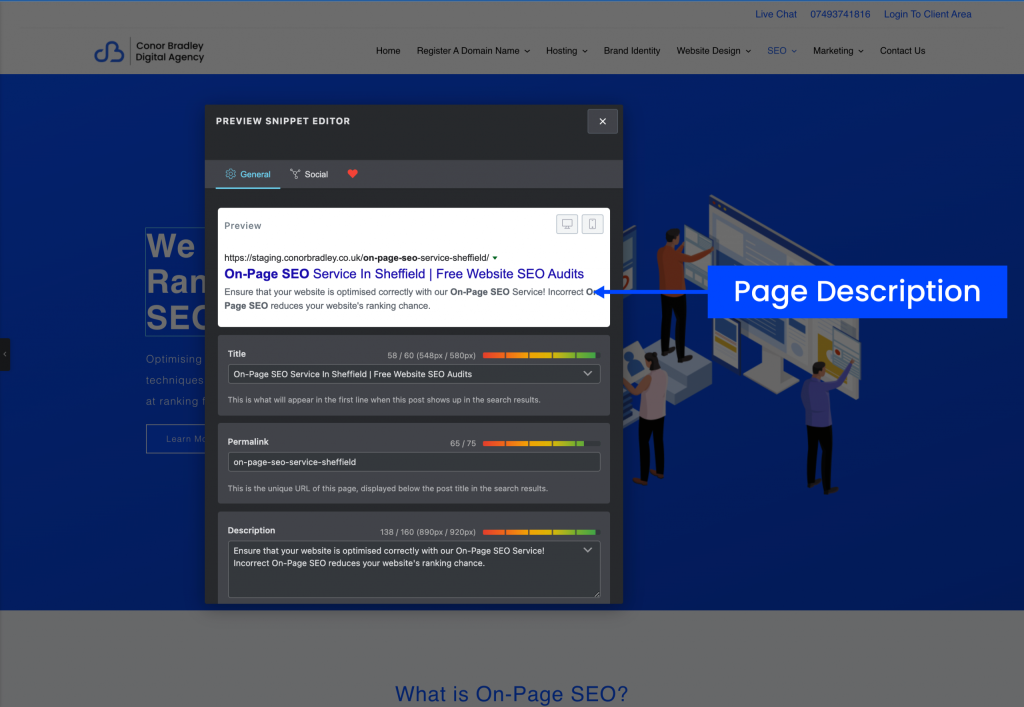
Page Description Diagram Conor Bradley Digital Agency

Your URL structure (also called the slug) helps search engines and users understand the page topic at a glance. A clean, descriptive URL improves clarity, supports relevance, and is more likely to earn clicks and backlinks than a messy string of numbers and parameters.

For on-page SEO, your URL should be short, readable, and keyword-relevant without stuffing. Use hyphens, avoid unnecessary stop words, and keep it consistent with your site structure. For example: /on-page-seo-sheffield/ is clearer than /service?id=123.

Good URLs also make internal linking easier and improve user trust so people can see where they’re going before they click.
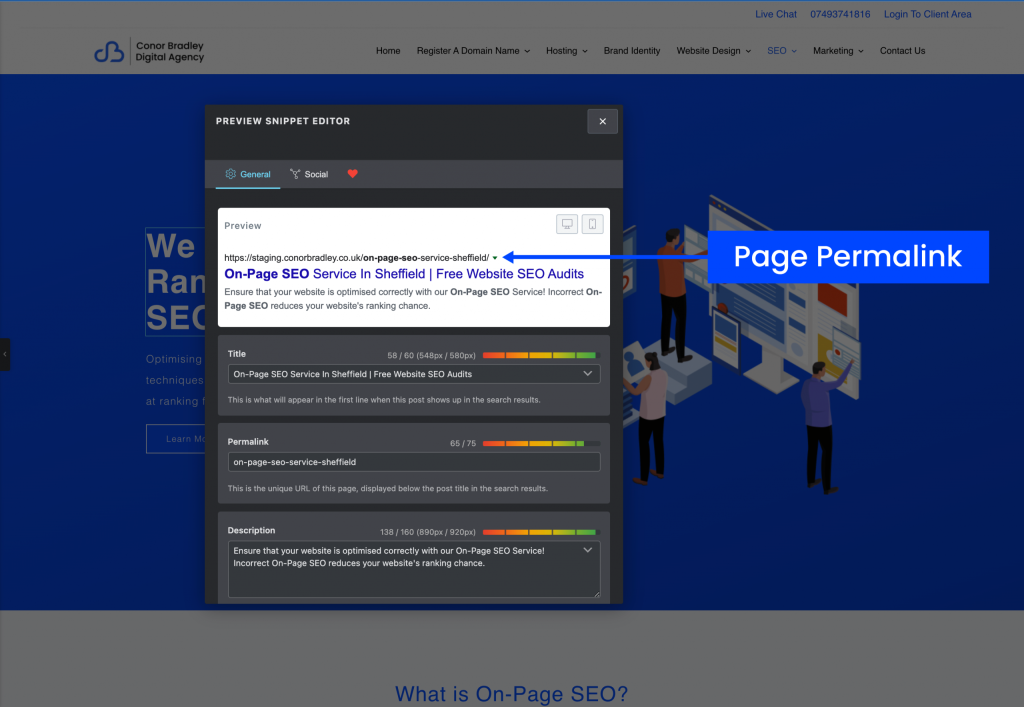
Page Permalink Diagram Conor Bradley Digital Agency

Headings (H1, H2, H3, etc.) organise your page into a clear hierarchy for both users and search engines. They help Google and Bing understand the main topic (H1) and the supporting subtopics (H2/H3), which can strengthen relevance for a wider range of related queries.

From a practical SEO standpoint, headings improve readability and keep visitors engaged. Use one clear H1 that matches the primary intent of the page, then build out H2 sections that map to what users want to know.

Avoid using headings purely for styling use them to structure meaning. A well-structured page is easier to scan, which tends to reduce bounce and improve conversion rates.
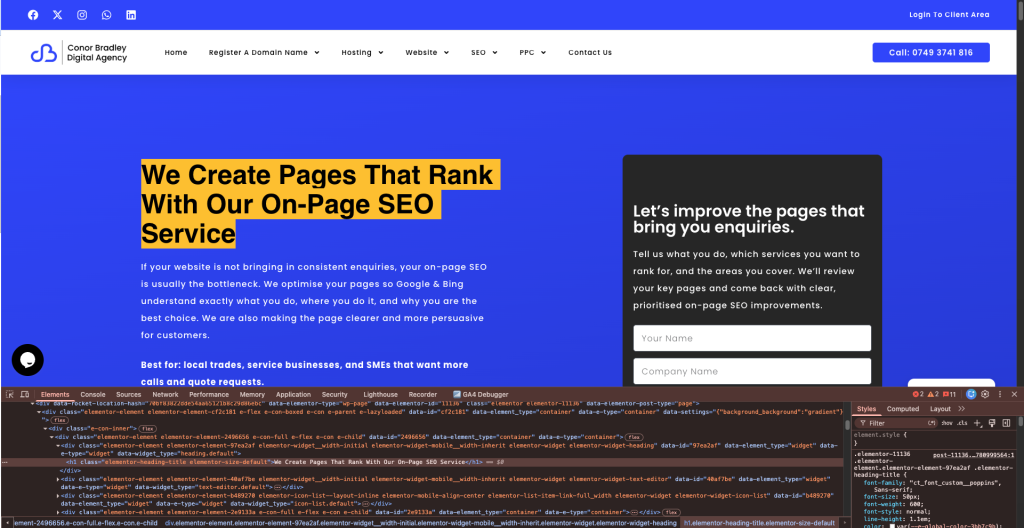
Page Header Diagram Conor Bradley Digital Agency

Alt tags/text describe what an image shows. They help search engines interpret your images and improve accessibility for users who rely on screen readers or when images fail to load.This is a core on-page SEO and usability signal.

Alt text should be accurate and specific, and where relevant, incorporate context naturally  & not keyword stuffing. For example, an image on a service page might use: “On-page SEO audit checklist highlighting titles, headings, and internal links” rather than “SEO Sheffield SEO On Page SEO”.

Good alt text also supports image search visibility and helps reinforce topical relevance across the page.
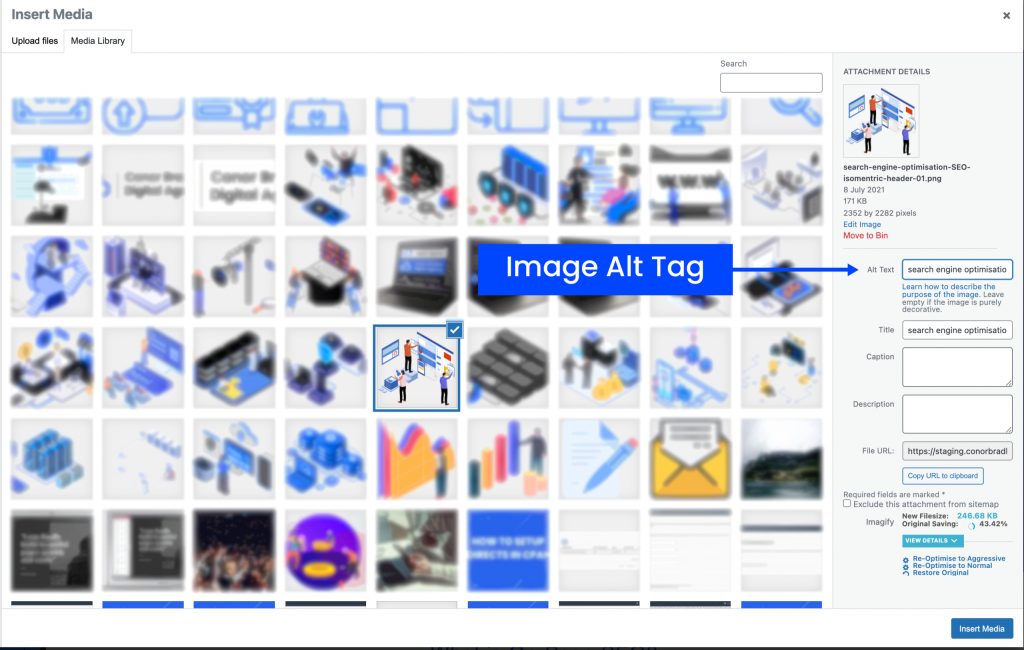
Image Alt Tag Diagram Conor Bradley Digital Agency

Content is the main vehicle for demonstrating relevance and expertise. It’s where you answer the user’s intent, cover the topic comprehensively, and show search engines that your page genuinely solves the query. Strong on-page content isn’t just “more words” it’s the right information, in the right order, written clearly.

For on-page SEO, effective content typically includes: a clear introduction that matches the query intent, scannable sections, service-specific detail, trust signals, and helpful supporting information.

When content is built around real user questions and search intent, it attracts more qualified traffic and increases conversions because visitors immediately understand they’re in the right place.
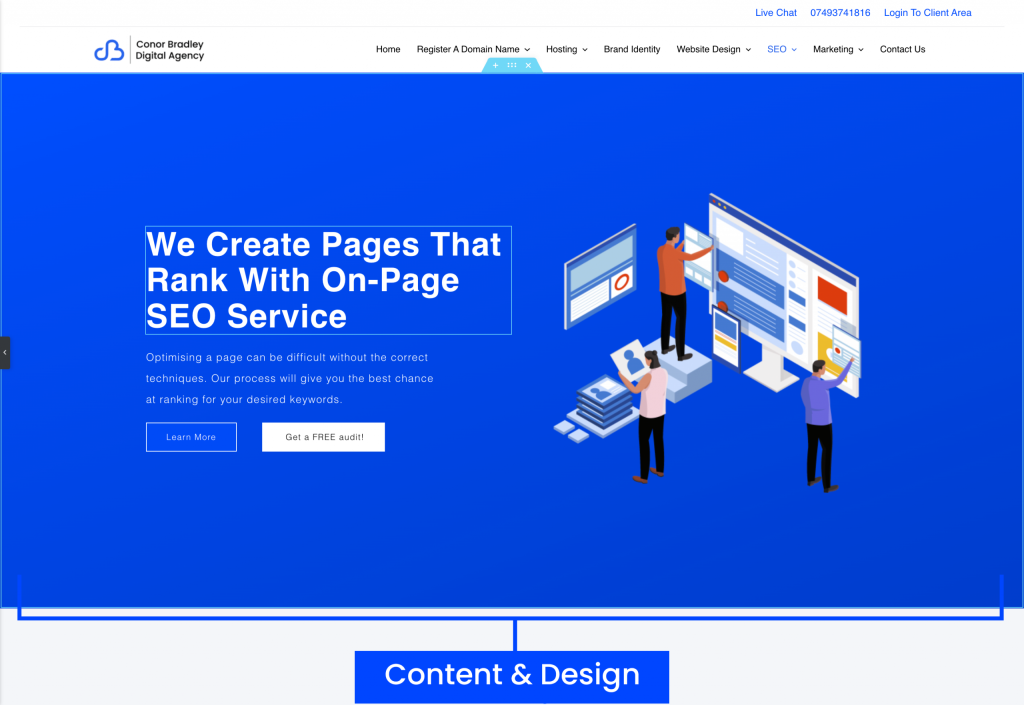
Content Design Diagram Conor Bradley Digital Agency

Internal links connect your pages together and guide both users and search engines to your most important content. They help search engines discover pages, understand how topics relate across your site, and distribute authority throughout the domain.

From an on-page SEO perspective, internal linking strengthens topical clusters and improves user journeys.

Internal links can reduce drop-offs, increase pages per session, and help key service pages perform better because they’re supported by relevant, context-rich pathways.
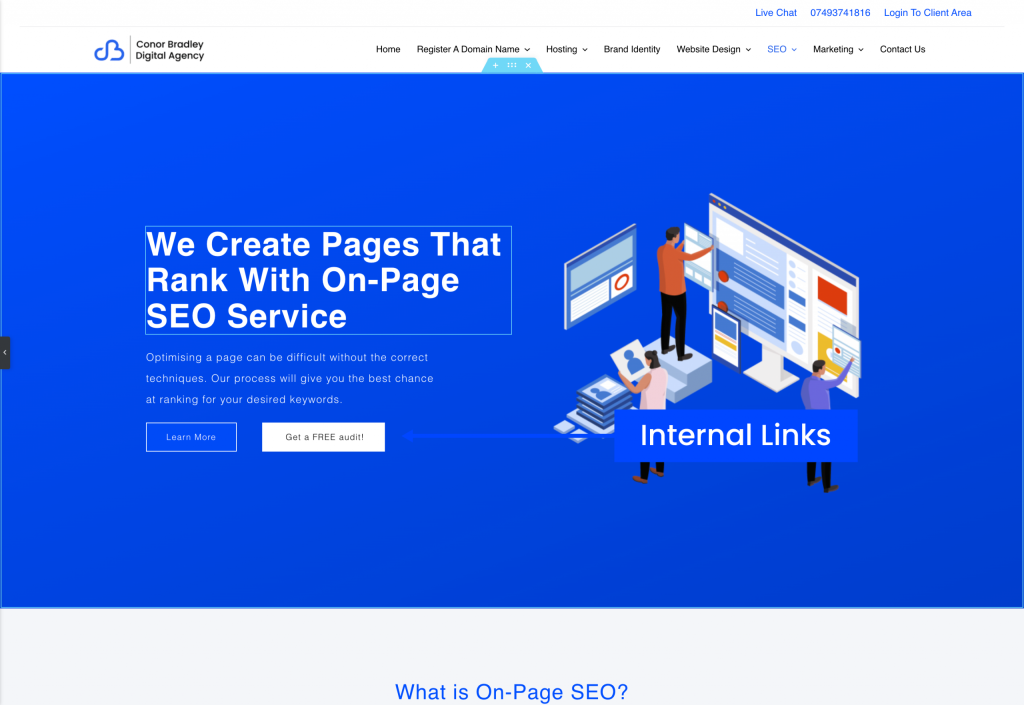
Internal Links Diagram Conor Bradley Digital Agency

Navigation includes your menu structure, breadcrumbs, footer links, and overall site architecture. It affects how easily users can find what they need and how efficiently search engines can crawl and interpret your site.If navigation is confusing, people abandon the site.

Good SEO-friendly navigation is logical, consistent, and aligned with your services and priorities. Group services sensibly, avoid excessive dropdowns, ensure important pages are reachable in a few clicks, and use clear labels that match what users actually search for.
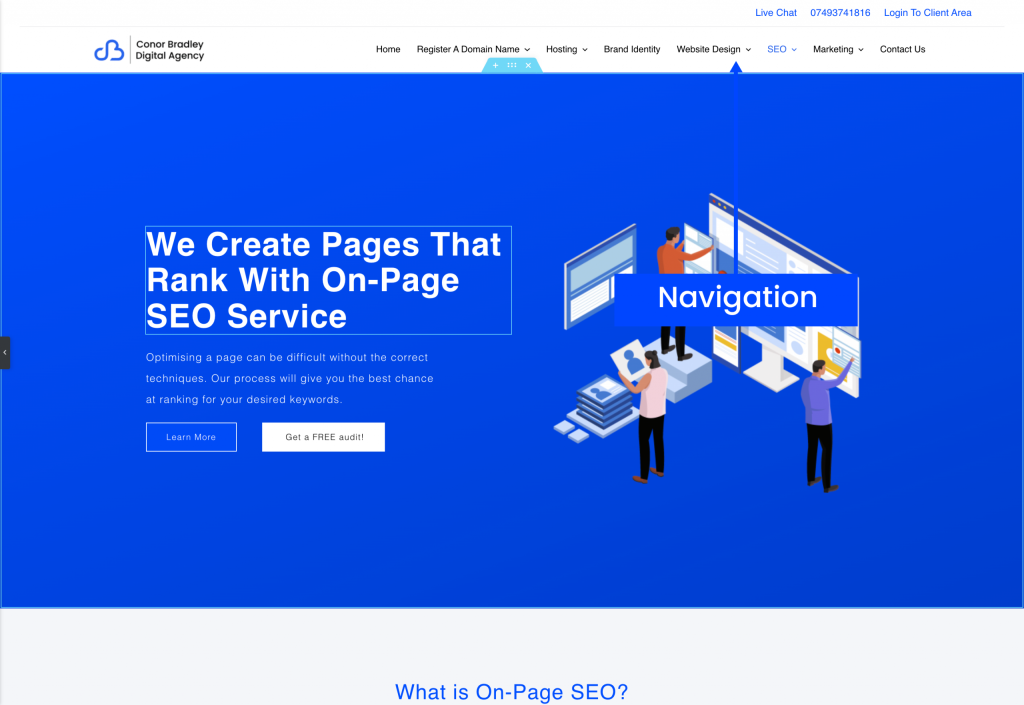
Navigation Diagram Conor Bradley Digital Agency

Design influences on-page SEO because it directly impacts user experience such as readability, engagement, time on page, and conversions. A page can be “technically optimised” but still underperform if it’s hard to scan, feels untrustworthy, or makes it difficult to take action.

The best-performing pages typically combine strong SEO signals with a clean, conversion-focused layout that makes the next step obvious.

Content Design Diagram Conor Bradley Digital Agency

Simple rules:
It doesn’t work in editor. Preview in Browser for changes!
Add as many accordion items as required.
Every accordion item panel should house only one image!
Open the Elementor Navigator to see the structure and find out required custom class names.
You should define “min-height” of the Inner Section with the custom class name “.ob-img-switcher-wrap” (prevents the adjacent content jumps).
Delete this hidden Text Editor widget once you got the point 🙂

How it works?
Insert any photo from the Media Library to the accordion content panel. That very photo shall become hidden in front-end but visible on-click in the neighbor column.

It’s good idea to make all the images equal size (w/h).

All the required CSS and JavaScript code belongs to Elementor’s Custom Code file, see:
Dashboard > Elementor >Custom Code :: Accordion Image Swapper (OoohBoi)

Partner With An Award Winning Agency

Work with a Sheffield-based team that helps UK businesses grow through better websites, reliable hosting, and results-driven digital marketing.

Conor Bradley Web Services 140
Top SEO Company Design Rush
IT Awards Logo 2022 WHITE 1

SEO Monthly Pricing Plans Built Around Results, Not Guesswork

Our SEO plans are designed to make pricing simple and expectations clear. Choose the level that matches your goals and competition. Whether you want to strengthen your foundations or accelerate growth, you’ll know exactly what’s included, what we’ll be working on each month, and how that work supports your business.

Bronze SEO Package

Starting From

£200

/Per Month

Best Seller

Silver SEO Package

Starting From

£350

/Per Month

Gold SEO Package

Starting From

£500

/Per Month

See everything included in Bronze, Silver and Gold on our Monthly SEO Packages page.

Our On-Page SEO Process

SEO works best when it’s methodical. Instead of chasing quick wins that don’t last, we follow a proven process that builds strong foundations first, then compounds results through continuous improvement. This ensures your website is technically sound, your pages are aligned with what people are searching for, and your content and authority grow over time.

Below is how we run our monthly SEO campaigns.

Audit Objectives Icon Conor Bradley Digital Agency

Full SEO Audit

We audit your site for crawlability, indexation issues, Core Web Vitals/page speed, site structure, duplicate content, missing metadata, heading hierarchy, internal linking, and overall content quality.

This gives us a clear roadmap of what’s holding the site back and what needs improving first.
landline

Discovery & Goal Setting

We start by understanding your business, services, target locations, and what a “win” looks like. This could be more calls, more forms, more quote requests, or higher-quality leads.

We also review your current website performance and identify the fastest opportunities.
Competitor Research Icon Conor Bradley Digital Agency

Keyword & Competitor Research

We research the best keywords based on search intent, volume, competition, and profitability. We then benchmark competitors to understand what Google is rewarding in your niche and what it will take to outrank them.

This could be going for the same keywords or trying an alternative one.
Keyword Research Icon Conor Bradley Digital Agency

Strategy & Page Mapping

We map keywords to the right pages or identify where new pages are needed to rank further. This avoids keyword cannibalisation and ensures each page targets a specific intent, so Google knows exactly when to show it.
Page Optimisation Icon Conor Bradley Digital Agency

On-Page Optimisation

We optimise core on-page elements such as page titles, meta descriptions, headings, URLs, image alt text, internal links, and content structure. We also improve conversion elements so traffic turns into leads, not just visits.

launch

Technical Improvements

Where required, we implement fixes that support performance and visibility such as improving page load speed, cleaning up redirects, resolving indexation issues, enhancing schema markup, and tightening site architecture.
Requesting Writing Content Icon Conor Bradley Digital Agency

Content Development & Optimisation

We create and enhance content that matches search intent and earns rankings. These could be service pages, location pages, FAQs, supporting articles, and content updates to keep pages current. This is where long-term growth is built.
backlink

Off-Page SEO

For competitive niches, we build authority through high-quality link acquisition, Directory websites & looking at your competitors for sites they have received a backlink from. This strengthens your site’s trust signals and improves ranking potential across key pages.
Reporting Statistics Icon Conor Bradley Digital Agency

Monthly Tracking & Reporting

We track rankings, traffic, conversions, and engagement. Each month we review performance, identify what’s working, and prioritise our next actions. So your campaign evolves based on data, not assumptions.
Get Your Free On-Page Website SEO Audit

Want to know exactly what’s holding your website back in Google?
Request a free on-page SEO audit, and we’ll review your key ranking elements. You’ll receive clear, actionable recommendations you can implement straight away, with no obligation.

Our Reviews

We’re proud to support businesses across the UK with Domains, Website Hosting, Website Design, and SEO. Here’s what our clients say about working with Conor Bradley – Digital Agency.

Client Case Studies

Here are a few recent projects showing how we design websites that look professional, build trust quickly, and generate enquiries. Each case study highlights the client’s goals, our approach, and the outcome.

Screenshot 2026 01 18 at 7.33.39 pm

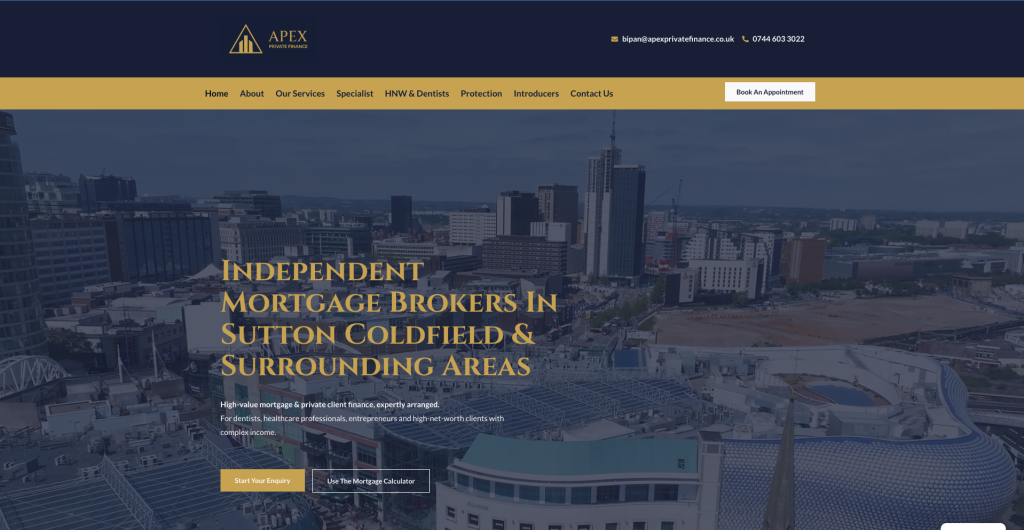
Apex Finance (Sutton Coldfield)

Website design for an independent mortgage broker focused on high-value clients. Built to communicate trust quickly, explain services clearly, and drive qualified enquiries.
Screenshot 2026 01 18 at 7.35.02 pm

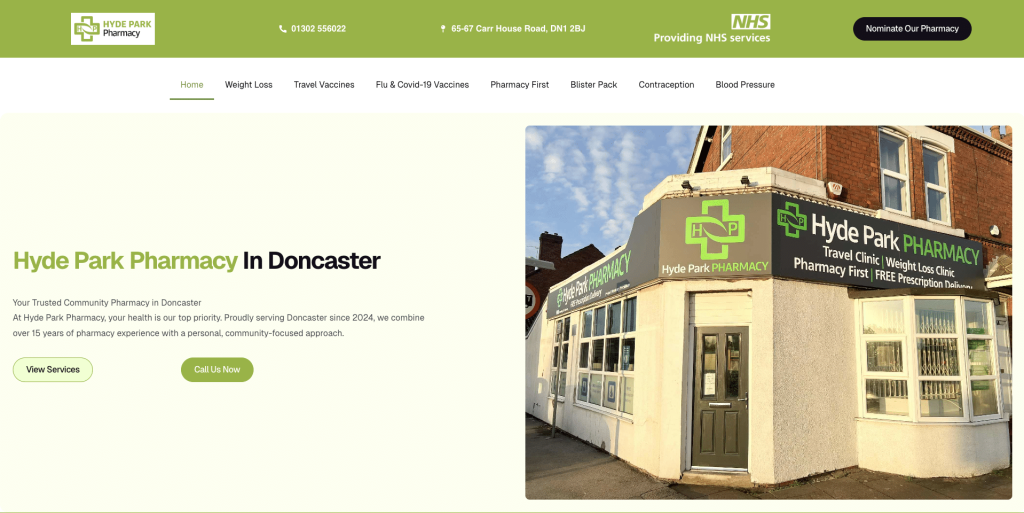
Hyde Park Pharmacy (Doncaster)

Website design for a local pharmacy, with a clean, accessible layout that makes key services easy to find. Designed to support customer confidence and increase calls and contact requests.
Screenshot 2026 01 18 at 7.36.07 pm

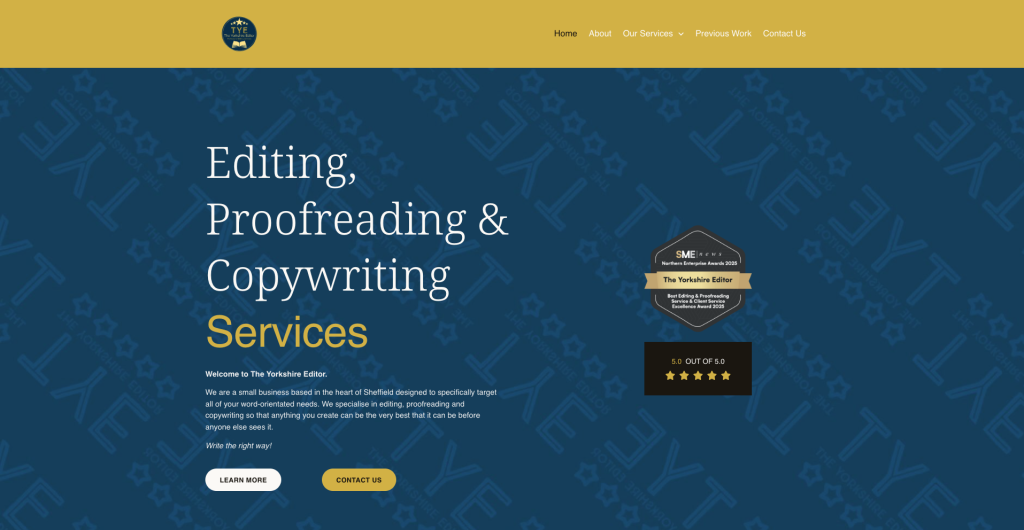
The Yorkshire Editor (Sheffield)

Website design for an editing, proofreading and copywriting service. Created to showcase expertise, highlight service options, and convert visitors into bookings and enquiries.

Our SEO Services Built to Improve Rankings

Whether you’re looking to increase visibility in Google, attract more qualified traffic, or turn your website into a consistent lead generator, our SEO services are designed to cover every area that impacts performance. 

On-Page SEO

On-Page SEO focuses on optimising the key elements of your website pages so search engines clearly understand what you offer and when to show your site in search results. This includes improving your page titles, headings, content structure, internal links, and image optimisation.

Off-Page SEO

Off-page SEO is about building your website’s authority and trust across the web. The main focus is earning quality backlinks from relevant websites, directories, and publications to tell Google your business is credible and worth ranking above competitors.

Technical SEO

Technical SEO ensures your website can be crawled, understood, and indexed efficiently by search engines. It covers the behind-the-scenes foundations such as site structure, page speed, mobile usability, redirects, indexation, broken pages, and core technical health.

Local SEO

Local SEO helps your business show up when people search for your services in your area. It focuses on improving your visibility for local searches, so you attract more calls, enquiries, and visits from nearby customers.

Frequently Asked Questions

SEO stands for search engine optimisation (UK) / search engine optimization (USA)

On-page SEO includes page content such as the following image optimisation (Alt tags), keyword optimisation, Schema markup, and more. Pretty much everything on that page.

Keyword research is the way you find and target what people are using to search on search engines.

On-page SEO is used for optimising each web page in order to rank it higher in search engines.

Off-page SEO is used for enhancing your brand’s authority via link building.

Yes, Each page or post you create gives you a chance to rank on another keyword. 

Site speed plays a ranking factor in googles algorithms. If you have a slow website google reduces the number of crawlers it sends to your site.

A search engine is a web-based tool that enables users to locate information via keywords. The most popular search engines are Google Search & Bing Search.

Have Any Questions? Don’t hesitate to contact us.

Let’s make your vision a reality!

Before you leave why don’t you drop your details below so we can discuss what you’re looking to achieve?